
When you do something matters as much as what you do.
Traditional Chinese Medicine and Ayurveda both see the body as a living rhythm, not a machine. Here's what they teach about the day, and how Healy users bring that wisdom into a simple routine.
Rhythm, constitution, frequency.
Rhythm
Chinese medicine divides the day into twelve two-hour windows, each linked with one organ and its meridian.
The organ clock → 02Constitution
Ayurveda describes each person as a unique mix of three doshas: Vata, Pitta and Kapha.
The three doshas → 03Frequency
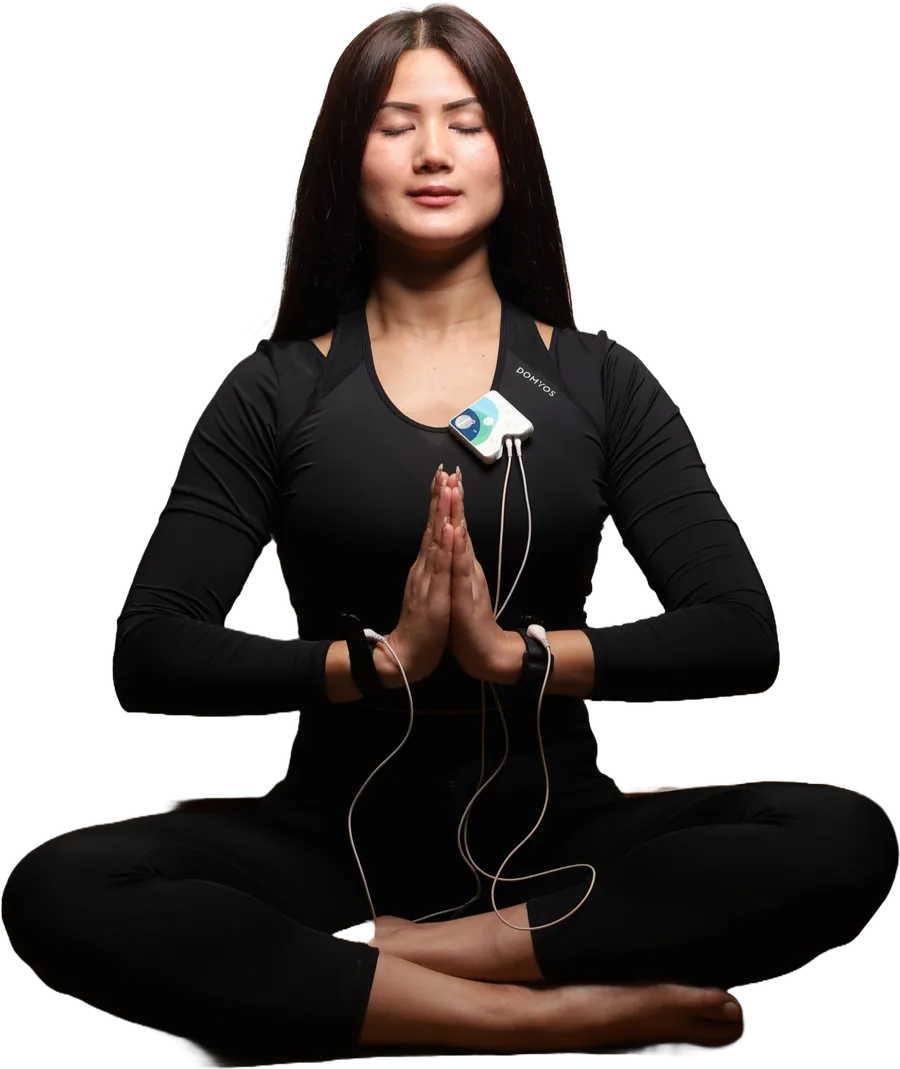
Healy brings program groups named after meridians, doshas and chakras into one wearable routine.
Where Healy fits →The organ clock: nature's schedule.
Chinese medicine teaches that Qi, the life energy, flows through twelve main meridians. Each has a two-hour window in the day when it is said to be at its peak.
The idea is simple and practical: there are better times to rest, to eat, to focus and to wind down. Many Healy users plan their programs around these windows, for example running a meridian program during its window.
The Heart window, around midday, is linked with joy and connection. Traditionally it's a time to pause, eat well and avoid rushing.
Programs people choose: Heart, Heart Chakra
In the traditional organ clock, the Liver window is a time for deep, undisturbed sleep and for the body's quiet night-time work.
Programs people choose: Liver, Liver Harmony
Wood, Fire, Earth, Metal, Water.
Each organ window belongs to one of five elements. In the generating cycle each element nourishes the next, like the seasons turning through the year.
- Wood · Spring
Growth, planning and new beginnings. Organ windows: Liver, Gallbladder. - Fire · Summer
Joy, warmth and connection. Organ windows: Heart, Small Intestine, Pericardium, Triple Burner. - Earth · Late summer
Nourishment and stability. Organ windows: Stomach, Spleen. - Metal · Autumn
Breath, clarity and letting go. Organ windows: Lung, Large Intestine. - Water · Winter
Rest, reserves and renewal. Organ windows: Bladder, Kidney.
Ayurveda and the three doshas.
India's wellness heritage rests on the Tridosha system. Your Prakriti is the constitution you are born with; your Vikriti is your current state, which changes with season, food, stress and lifestyle.
Air and space
Traditionally needs: grounding and warmth
When Vata is balanced you feel inspired, light, enthusiastic and flexible.
Programs people choose: Vata, Relax, Emotional Wellbeing
Fire and water
Traditionally needs: cooling and calm
When Pitta is balanced you are clear, confident, warm and get things done.
Programs people choose: Pita, Balance, Contentment Syst.
Earth and water
Traditionally needs: lightness and activation
When Kapha is balanced you feel grounded, strong, content and loving.
Programs people choose: Kapha, Energy, Feel Good Syst.
The five koshas: you, in layers.
The Taittiriya Upanishad describes a person as five sheaths, from the body you can touch inward to a quiet centre. In this view, wellbeing means caring for every layer, not only the outermost one.
- Annamayaअन्नमय
The physical body, built and nourished by food.
- Pranamayaप्राणमय
Vital energy, carried by the breath.
- Manomayaमनोमय
The mind: thoughts, feelings and the senses.
- Vijnanamayaविज्ञानमय
Intellect and inner wisdom: the part that discerns.
- Anandamayaआनंदमय
The innermost layer of joy and stillness.
In Hindi: the five koshas explained, and why the right action at the right stage of life matters.
Where Chinese medicine and Ayurveda agree.
Lay the organ clock over the Ayurvedic dosha periods and a common pattern appears: active, sharp hours around midday, and rest and renewal through the night.
Swipe sideways to see the whole day.
Kapha's steady energy and the Stomach window: move your body and eat a warm breakfast.
Pitta's sharp fire meets the Heart window: your main meal, focused work, a proper pause.
Pitta's renewal and the Liver and Gallbladder windows: be asleep, and let the body do its quiet work.
Program groups named after the traditions.
Several Healy program groups draw their names and themes from Chinese medicine, Ayurveda and yoga, which makes it easy to build a routine around them.
Meridians 1
All editionsPrograms named after the meridians of the organ clock.
10 programs
Meridians 2
All editionsThe remaining meridians, including Liver, Lungs, Stomach and Kidney.
10 programs
The Power of Three
Evolve and upIncludes programs named Vata, Pita and Kapha, after the three doshas.
10 programs
Chakras
Evolve and upSeven programs named after the chakras of the yogic tradition.
7 programs
Natural Cycle
ObsidianOne program for each two-hour window of the day, plus two stabilisation programs.
14 programs
Program names are as they appear in the Healy app and are not statements concerning their effects.
Take the Dosha assessment and note your leading dosha.
Pick two or three windows that fit your day on the Organ Clock.
Two to three programs a day, about three hours apart. Consistency beats complexity.
Ancient wisdom, answered
Is the organ clock a medical tool?
Do I need Healy Obsidian to use these ideas?
How many programs should I run in a day?
How do Chinese medicine and Ayurveda fit together?
Can I use Healy for a health condition?
The organ clock, the five elements and the doshas are traditional frameworks and are not recognised by conventional medicine. This page is for general wellness education. Healy programs are designed to support wellbeing; they are not medical applications and do not replace medical advice, diagnosis or treatment. Always follow the Instructions for Use.
Want a routine that follows your rhythm? Ask Dinesh.
A free 15-minute call with Dinesh Mishra to understand what you're looking for. No pressure, no obligation.
Orders are placed on the official Healy India shop, operated by DHC Medical Service Private Limited. Ordering from outside India? Use the international shop.